
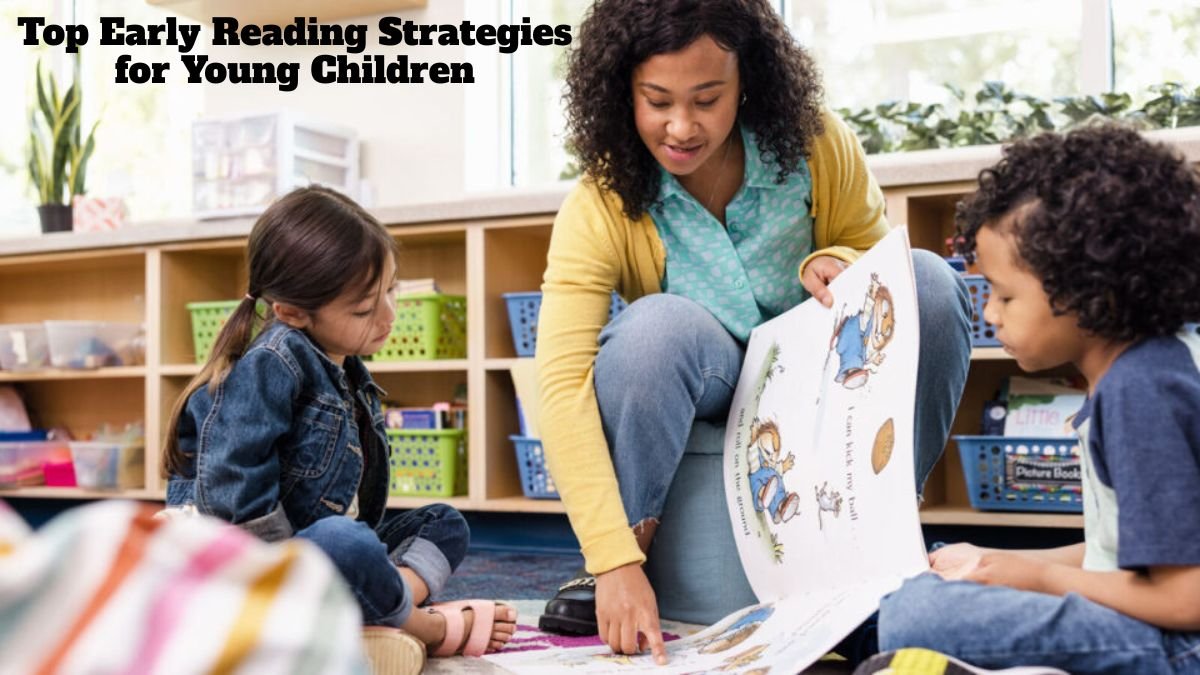
When children first interact with books, a new world of imagination opens up in their minds. Reading is not only the first door to knowledge, but it also profoundly impacts a child’s ability to think, understand, and speak. Developing a reading habit at an early age isn’t easy, but with the right strategy, it can be a fun journey for children. In this article, we’ll explore 10 effective ways to teach children to read quickly and effectively, which you can also adopt at home to foster a keen interest in reading in young children.
Start with stories – Spark a child’s imagination
Storytelling is the easiest and most effective way to teach young children. Stories awaken children’s language, thinking, and imagination. Reading a story every night before bed not only fosters an emotional bond with your child but also strengthens their listening and comprehension skills. Try to choose stories with colorful illustrations or pictures so that your child can associate each word with a picture. Gradually, build the habit of reading from a storybook.
Introduce Sounds – Teaching Phonics is Important
Reading begins with phonics, the ability to recognize sounds and combine them into words. Teach your child the difference between “ka” and “ka-aa,” or why “b” sounds like “b.” Teach your child to recognize words with sounds by using examples from everyday objects like a ball, bat, book, etc. Once your child becomes comfortable identifying sounds, they begin to understand words faster.
Read a little every day – Consistency is Key
Reading for long periods of time is difficult for young children. Therefore, it’s important to get them into the habit of reading for 10-15 minutes daily. Set a time for this every day—like after breakfast or before bed. Consistency helps children permanently ingrain words in their minds. Regular practice builds confidence and helps them stop being afraid of books.
Choose Colorful and Fun Books – Make Learning Exciting
If your child gets bored just by looking at a book, it’s probably not their level. Choose books with colorful illustrations, fun characters, and short sentences. Start with storybooks, rhyme books, animal stories, or comics. Children enjoy reading more when they can see themselves in a book.
Point to each word – Eye-Brain Coordination
When you read to your child, move your finger along with each word. This creates a synchronization between the child’s eyes, ears, and brain. They begin to understand which sound is associated with which word. This method is very useful for beginning word recognition. Gradually, the child begins to pay attention to the words themselves and becomes independent in reading.
Make Reading a Game – Make Learning Fun
When children learn through play, it is more likely to be remembered for a long time. To teach reading, play games like ‘Word Hunt’, ‘Rhyme Time’, or ‘Alphabet Bingo’. You can hide small cards with words written on them around the house and have your child find them. This will encourage the child to recognize the words.
Use Technology Wisely – Interactive Apps and Videos
Many interactive mobile apps and YouTube channels are available these days to teach children reading in a fun way. Platforms like “ABC Mouse,” “Reading Eggs,” or “Starfall” prove to be very useful for children. Ensure screen time is limited and each app is age-appropriate. Technology is effective only when it facilitates learning, not distracts.
Encourage Your Child to Speak – Teach Them to Repeat Words
When a child hears a word, they try to repeat it. Encourage this habit. For example, if you say “Cat,” ask them to repeat “Cat” and show a picture. This helps with both speech and vocabulary development. You can ask them to say the names of everyday objects, such as “table,” “door,” “apple,” etc. The more they speak, the faster they will learn to read.
Set Small Goals – Give a Sense of Success
It’s difficult to explain big things to children, so break down learning into small goals. For example, today you’ll just learn the letters “A to D” or read “two new words.” When your child completes these tasks, praise them or give them a small reward. This will make them feel like reading is an achievement, not a burden. This psychological encouragement helps maintain their interest for a long time.
Parents should be an example – Create a reading environment
Children learn what they see. If there are no books in the house or if the parents don’t read themselves, they may not understand the importance of reading. Therefore, try to create an environment of books, newspapers, or magazines at home. Read to your child yourself so they can be inspired by watching you. Remember, parents are a child’s first school.
Conclusion – Reading is not just about teaching, it’s about developing a habit.
Reading isn’t just about recognizing letters; it’s about shaping a child’s mind, thinking, imagination, and emotions. When you teach your child to read correctly, with love and patience, they develop a lifelong learning habit.
With these 10 strategies, you can not only strengthen your child’s early learning but also instill confidence in them.
