
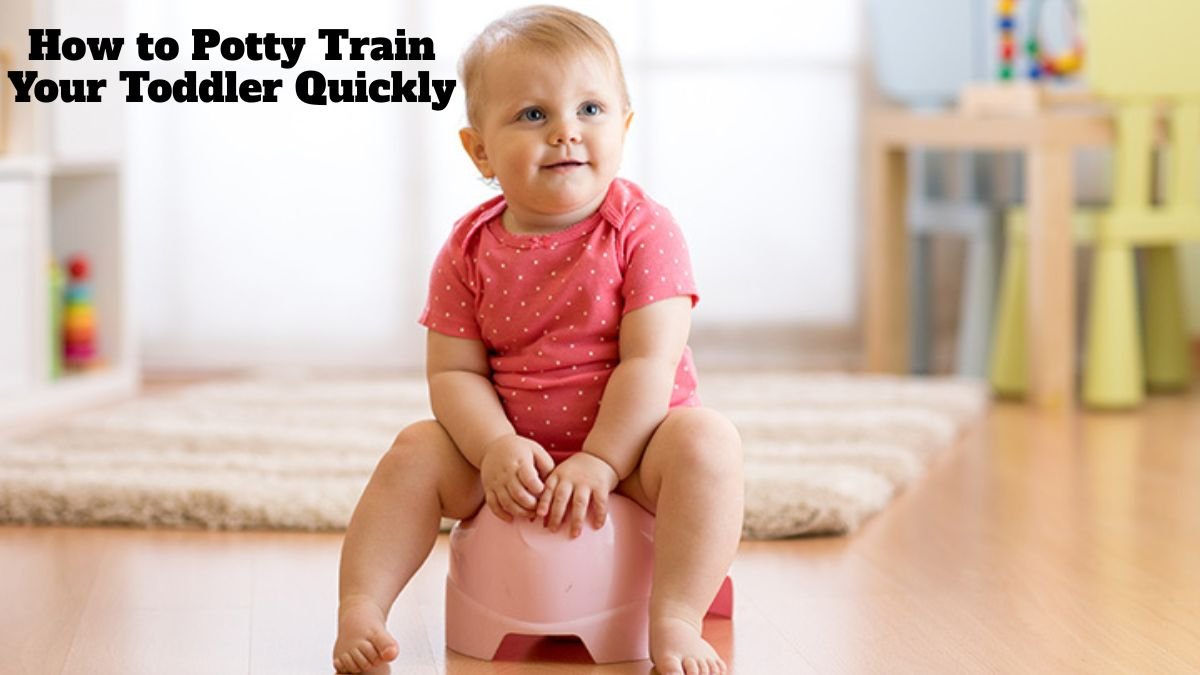
Potty training a child is a major milestone for every parent. It marks the beginning of the transition from diapers. However, this process can sometimes be stressful for parents and confusing for children. In fact, with a little understanding and patience, your child can master potty training in just a few days. In this blog, we’ll explore 10 simple yet effective tips on how to potty train your toddler quickly and comfortably.
Wait for the Right Age – Don’t Rush
Every child is different and develops at their own pace. Generally, a child becomes ready for potty training between 18 months and 3 years of age. During this time, pay attention to whether your child is showing interest in going to the bathroom on their own, whether they can stay dry for a while, or whether they signal someone to go potty. If these signs are present, it’s the right time to start. Rushing may scare or irritate the child.
Get your child used to the potty chair
The first step is to introduce your child to the potty chair. Show him that it’s his own “little seat.” You can place it in his room or bathroom so he sees it frequently and feels comfortable. Initially, simply let him sit on it, whether he poops or not. Gradually, this will become a habit. Many parents even teach their child by placing a toy or teddy bear on the potty chair, which is a very effective method.
Establish a Set Time – Routine is Key
Have your child sit on the potty chair at the same time every day, such as after waking up, after meals, or before bed. This timing helps him understand his body’s natural rhythm. A routine helps his child understand when to potty. Within a few days, his body will adapt to this time and he will begin to give you signals.
Dress appropriately – Comfort and convenience are both essential
When potty training your child, dress them in clothes that are easy to remove. Tight pants or clothes with too many buttons can cause discomfort and prevent them from urinating on time. In the summer, even light shorts are sufficient. This also helps the child feel self-sufficient and able to manage their own clothes.
Provide positive encouragement – Celebrate every small success
Children always need positive encouragement. Whenever they urinate on time or make an effort, praise them. You can say things like “Good job!”, “Wow, you did great!”, or even create a small sticker reward system. Such small encouragements boost children’s confidence and help them learn faster.
Be patient – mistakes are part of learning
It’s normal for children to make some mistakes in the beginning. Sometimes they won’t be able to reach the potty chair, sometimes they’ll poop on the floor. Avoid getting angry or scolding. If you remain calm, your child won’t become nervous. Simply gently remind them to sit on the chair next time. Remember, potty training is a process and takes time.
Teach Signals – Make Communication Easier
You can teach your child to use a word or gesture when they need to potty, such as saying “potty” or pointing to the bathroom. This will improve communication between you two. If your child feels that you understand their needs, they will learn to speak openly. Many children initially communicate only through gestures, which gradually progress to verbalization.
Learning by Imitation – Be a Role Model
Children often learn by observing. If an older sibling or you yourself demonstrate the bathroom routine, they quickly understand what to do. Sometimes children learn by imitating other children. Therefore, show them this process as natural and normal, so they don’t feel any fear or shame.
Do Nighttime Training Separately
Even after successful potty training during the day, nighttime can be challenging. Continue to keep your child in diapers at night until they can stay dry for several nights in a row. Gradually, you can try removing diapers at night as well. Reduce fluids before bedtime and get them used to going to the bathroom. This may take a little longer, but patience is key.
Never Compare – Every child is different
This is the most important thing. Don’t compare your child to others. Some may take 2 days, some 2 months. This doesn’t mean your child is behind. Accept their pace and continue teaching them with love and patience. When you celebrate their small progress, they will become more confident.
Conclusion – Love, patience, and routine will lead to success
Potty training isn’t a race, but a learning process. Your love, patience, and consistency play a key role. Instead of scolding your child, praise their every effort. Reassure them that it’s okay to make mistakes and that you’re always there for them. Within a few weeks, you’ll find them not only successful with potty training but also proud of themselves.
