
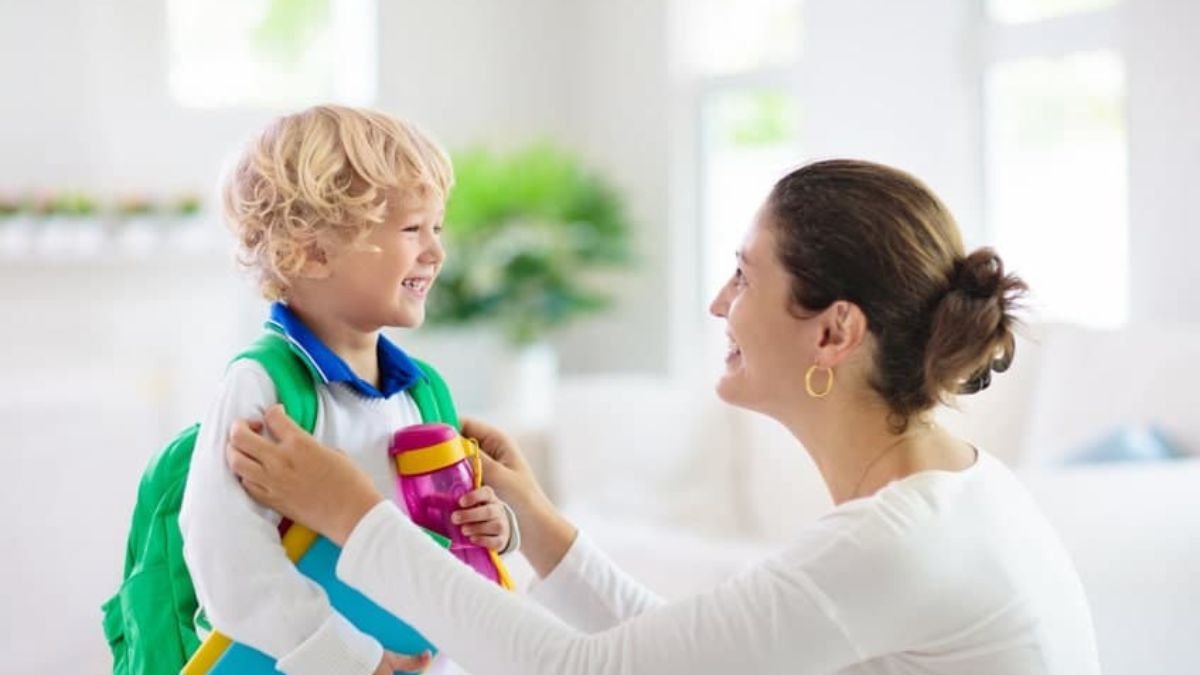
Helping Your Child Adjust to Preschool for the First Time: There is an important stage in childhood when a child steps out of the house for the first time and enters the world of pre-school. This is an emotional moment not only for the child but also for the parents. Dropping your little one off at school for the first time, seeing them cry, or sensing their curiosity and excitement—these are all memorable moments. But parents’ preparation and attitude are crucial to making this new experience easy and enjoyable. To help your child feel comfortable in preschool, it’s important to develop some habits and routines in advance, so that this transition feels natural to them.
Preparing for Preschool
The Importance of Positive Interactions and Storybooks
Children adapt more quickly to familiar things. Therefore, before preschool begins, talk enthusiastically about school. Explain that school is a fun place where they will make new friends, play games, and learn new things. You can read children’s storybooks with stories like “First School” or “First Day of School.” This will create a positive image of school in their minds and reduce their anxiety.
Take a Tour of School
When a child gets a glimpse of a new place before going there, their fears are largely alleviated. So, take them to school before it opens. Introduce them to the classroom, toys, playground, and teachers. This will give them a feel for the environment, and the place will feel familiar when they first go to school.
Establish a Regular Routine
Children find a regular routine very helpful. Establish a set morning and night routine a few weeks before school starts. This includes waking up at a set time, getting ready, having breakfast, and then getting ready to go out. This will help your child understand that every day starts in a set way, just like it will at school. Similarly, instill the habit of going to bed on time so that your child gets enough sleep and feels refreshed in the morning.
Promote Self-Reliance
One of the goals of preschool is to develop a sense of self-reliance in children. To do this, encourage your child to do small tasks at home, such as putting on their shoes, washing their hands, drinking water, opening a box, or changing their clothes. These small habits boost their child’s self-confidence and help them manage themselves at school.
The First Day and Beyond
Maintain a Positive Attitude
A child’s emotions are deeply connected to their parents. If their parents appear anxious or sad, the child will also feel fear or uneasiness. So, keep yourself calm and excited on the first day of school. Smile and tell your child that they’re about to embark on a new, fun journey. Your confidence will instill a sense of security and trust in them.
Say a Quick and Sweet “Goodbye”
The goodbye moment on the first day of school is the most delicate. Try to keep it brief but affectionate. Make it a habit to say “goodbye” in the same way every day—a wave, a quick hug, or a “Bye, son, see you later.” This will help your child understand that you leave every day but always return. Never make the mistake of leaving quietly, as this can increase your child’s feelings of insecurity and fear.
Bring a Comfortable Item
If it is possible in the school, let your child carry a favorite toy, doll, teddy bear, or a small blanket. Such an item will be a source of emotional support and security for your child as it is a link to home. Sometimes children only need a familiar object to be able to live in a new environment.
Maintain Connections with Teachers
The first few weeks of preschool are an adjustment period for children. Keep in touch with teachers on a regular basis during this time. Talk through the behavior of your child, his/her eagerness to learn and any problems. Apart from helping you to stay informed about your child’s development, this will also encourage the teacher to be more involved in your child’s education.
Be Patient and Understanding
Every child is different. Some children start playing happily at school on the first day, while others take weeks to adjust to the new environment. Don’t worry if your child cries or insists on not going to school after returning home. Give them time, explain things lovingly, and acknowledge their feelings. Gradually, they will begin to connect with their school friends, teachers, and routine.
Parents’ Role in a Child’s Emotional Development
The beginning of preschool is not just a journey of academic development, but also a journey of emotional maturity. During this time, children learn how to interact in groups, wait for their turn, share, and cooperate. The foundation for all these learnings is laid by parental behavior and guidance. When parents show patience, love, and positivity toward their child, they are able to adapt to life’s changes.
Conclusion
Helping a kid to get used to preschool is not something that you can do in a day, but rather it is a support, sensitivity, and consistency from the parents-required process. If you prepare rightly, have a consistent routine and show a positive attitude, then it can be not only a simple way but also a memorable experience for the child. Keep in mind that the most essential thing for a child is your faith and love. If you make them feel secure and tell them that you are always there, then they will dare to go into the new world—with a grin and a heart brimming with wonder.
