
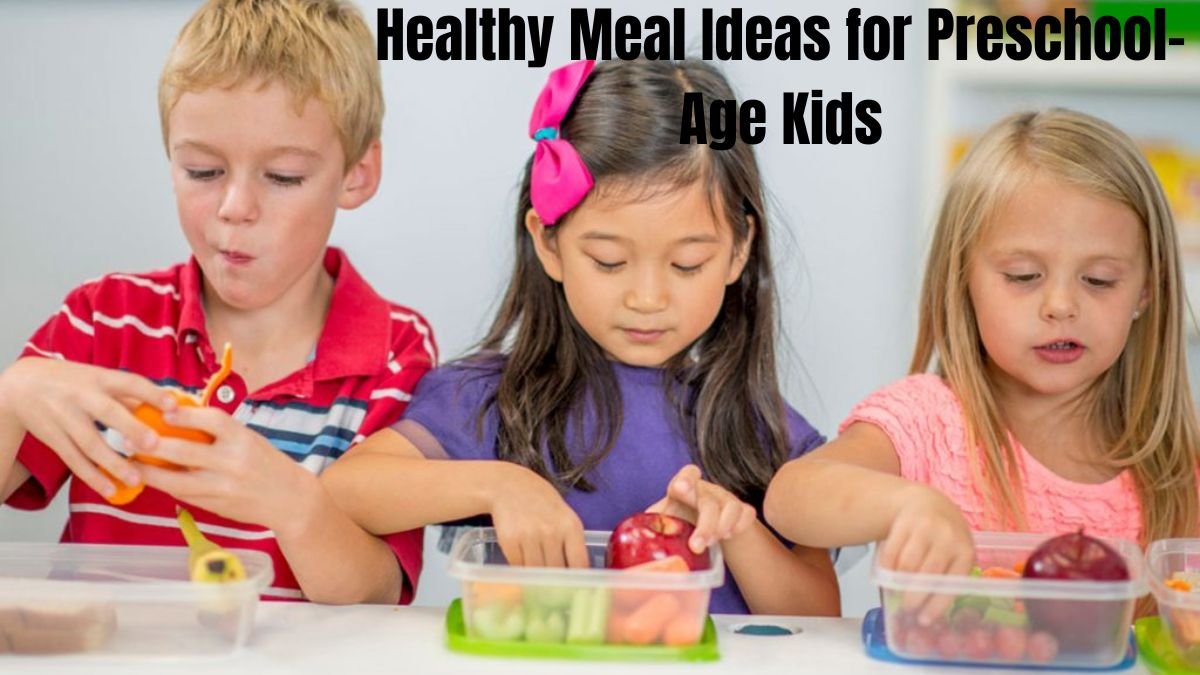
Preschool-aged children, between 3 and 5 years old, are in one of the most active and curious phases of their lives. At this age, their bodies are growing rapidly, their brains are learning new things every day, and their immune systems need to be strong. Therefore, providing a proper and balanced diet for children of this age is crucial.
However, this isn’t always easy for parents. Children often dislike new foods, are picky eaters, or only want to eat their favorite foods. Finding healthy, delicious, and appealing food options becomes a challenge. In this article, we will explore how to prepare healthy meals for preschool children, which nutrients are essential, and how to make mealtimes fun and educational.
Why is a Balanced Diet Important for Preschool Children?
A balanced diet means the child receives all the necessary nutrients — protein, vitamins, minerals, carbohydrates, and healthy fats.
Important reasons:
- Physical development: Calcium and protein are essential for bones, muscles, and teeth.
- Brain development: Omega-3, iron, and vitamin B are crucial for a child’s brain development.
- Immune system: Vitamin C and zinc boost the body’s immunity.
- Carbohydrates for energy: Energy is essential for playing and learning.
Healthy Snacks
Preschool children often get hungry several times a day. Providing healthy snacks is a good option.
Some options:
- Fruits and cut vegetables: Such as apples, bananas, carrots, and cucumbers.
- Dry fruits: Almonds, cashews, walnuts (crush them for younger children).
- Homemade smoothies: With milk, yogurt, fruits, and a few leafy green vegetables.
- Healthy sandwiches: Brown bread with peanut butter or vegetable filling.
- Present snacks on colorful plates to attract the child.
Main Meals
Breakfast: Porridge or oatmeal with fruits and nuts.
Egg omelet, bread, and fruits.
Pancakes (homemade, sugar-free) and yogurt.
Lunch: Roti/chapati, vegetables, and lentils.
Light vegetable curry with brown rice or quinoa.
Grilled chicken or paneer (protein source).
Dinner: Light meal such as khichdi or light soup with vegetables.
Avoid giving the child a very heavy meal to prevent sleep disturbances.
Adequate Water and Drinks for Children
- Give water regularly throughout the day.
- Limit juices, and if given, make them homemade and sugar-free.
- Milk is a good source of calcium and protein for children.
Making Food Fun
Preschool children are often only interested in colorful and fun things.
- Tips: Cut food into fun shapes on the plate.
- Use fruits and vegetables of different colors.
- Serve in small portions so the child enjoys finishing everything.
- Serve food with stories — like the magical king of carrots or the apple hero.
Focusing on Nutrients
- Protein: Meat, cheese, lentils, eggs.
- Carbohydrates: Brown rice, roti, oats.
- Vitamins and Minerals: Green leafy vegetables, fruits, dry fruits.
- Healthy Fats: Avocado, coconut oil, walnuts.
A balanced diet should contain all these elements for the proper physical and mental development of the child.
Involving Children in Food Preparation
- Let the child decorate their own plate.
- Let them do small tasks in cooking, such as washing vegetables or decorating the plate.
- This increases children’s interest in food and makes them more willing to try new things.
Introducing New Flavors and Vegetables
- Offer new fruits or vegetables repeatedly.
- Present them in fun ways – cut into shapes, use colorful plates.
- Never force-feed, but introduce them gradually.
Regular Meal Times
- Breakfast in the morning, lunch at midday, snack in the afternoon, dinner in the evening.
- Consistency in routine helps regulate a child’s appetite.
- Regular mealtimes help maintain children’s energy levels throughout the day.
Avoiding Fast Food and Junk Food
- Junk food is high in sugar, salt, and unhealthy fats.
- Offer it only occasionally, on special occasions.
- Prepare healthy alternatives at home – such as baked fries, homemade pizza.
Conclusion
Providing healthy meals for preschool-aged children can be challenging, but with the right planning and creativity, it can become easier. A balanced diet, fun and colorful plates, variety in snacks and main meals, involving children in cooking, and avoiding junk food—these strategies will help ensure your child is healthy, energetic, and happy at mealtimes.
