
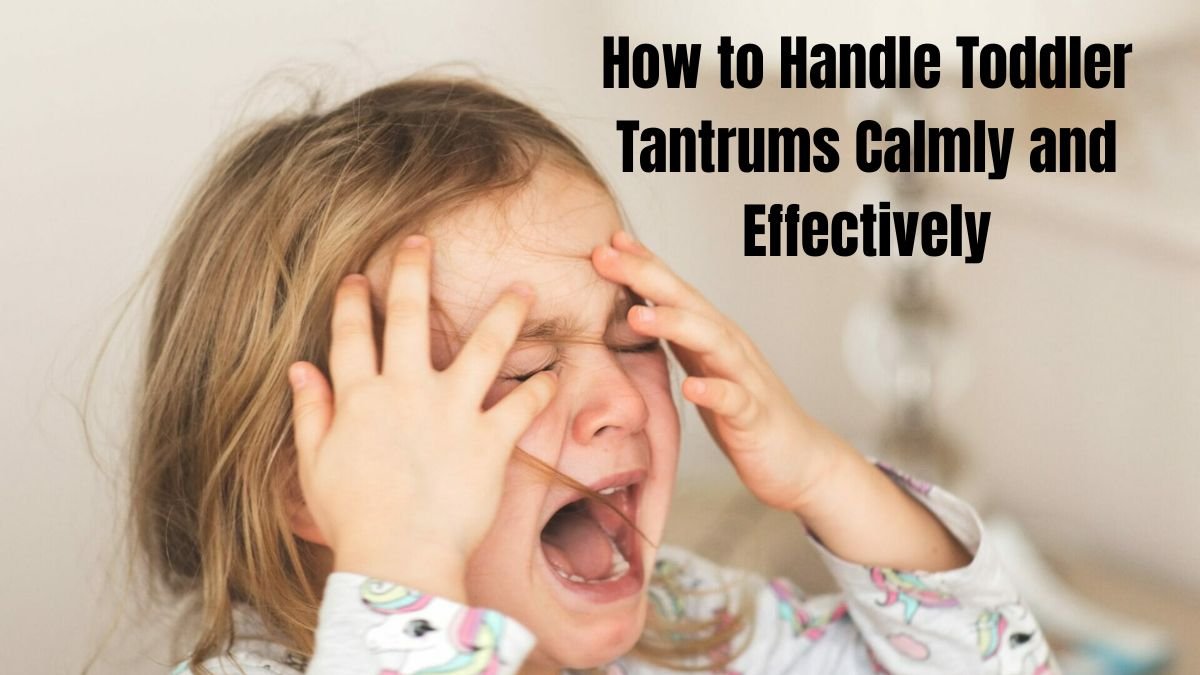
Toddlers, children aged 1 to 3 years, are in one of the most curious and Tantrums challenging phases of their lives. At this age, children don’t know how to control their emotions, so they often express their anger or dissatisfaction through , crying, and outbursts. During these times, it’s crucial for parents to react calmly and understandingly.
Managing toddler tantrums is not just about correcting behavior; it’s also vital for the child’s emotional and mental development. In this article, we will explore in detail how to handle toddler tantrums peacefully and effectively.
Toddler Tantrums: Why Do They Happen?
Toddler tantrums often occur for two main reasons:
- Lack of ability to express emotions: Children are unable to express their feelings in words.
- Desire for independence: Toddlers want to make their own decisions, and when their wishes aren’t fulfilled, they get angry.
- Common examples:
- The child doesn’t want to share their toy with anyone else.
- Refusing to eat.
- Insisting on wearing certain clothes.
The Importance of a Peaceful Response
During a toddler’s tantrum, parents getting angry or shouting can worsen the situation. A peaceful response teaches children that it’s possible to control their emotions.
Tips: Take a deep breath and remain calm yourself.
Acknowledge the child’s feelings: “I understand you’re upset.”
Allow the child to sit in a safe place for a few minutes.
Communication During Tantrums
Communication is very important during tantrums. Listening to the child and acknowledging their feelings is essential for their self-esteem.
How to do it:
- Sit down at the child’s level to talk.
- Use simple and short sentences.
- Use positive language: “Let’s put the toys away now” instead of “What did you do?”
Peaceful Techniques
- Time-out: Let the child sit in a quiet place for 1-2 minutes. This gives them a chance to understand their emotions.
- Distraction: Sometimes, diverting the child to another activity can end a tantrum. For example, a game or a song.
- Offering Choices: “Do you want to wear the blue shirt or the red one?” — This makes the child feel in control of their decisions.
- Physical Contact: A gentle hug or holding hands makes the child feel secure.
Using Play and Activities
Toddlers also express their emotions through play. Play can be a way for them to learn and understand their feelings.
- Examples: Building with colorful blocks.
- Role-playing games like playing doctor or shopkeeper.
- Counting and alphabet games.
- Parents should always be enthusiastic and encouraging during playtime.
Routine and Structure
Toddlers feel secure with routine and structure. When a child knows what to do and when, their tantrums decrease.
- Suggestions: Maintain a regular sleep and wake-up time.
- Set fixed times for meals and snacks.
- Schedule time for play and learning.
Positive Reinforcement
- Praising and encouraging a child’s good behavior is one of the most effective ways to reduce tantrums.
- Examples: “You shared your toys, that’s great!”
- “You finished your food, well done!”
- Encouragement can be given not only with words but also with a smiling face, a hug, or small rewards.
Avoid Shouting and Punishment
- Shouting in anger or giving harsh punishments can scare the child and erode trust.
- Suggestions: Stay calm and explain things to the child.
- Instead of focusing on the mistake, show them the correct alternative.
- Use the time-out technique.
Rules and Boundaries
Setting clear rules and boundaries is essential for toddlers. This helps them understand right from wrong.
- Examples: “Sharing toys is important.”
- “There is a limited time for watching TV.”
- “Close the door when you enter the room.”
- Parents should also follow the rules.
Parental Example
Children learn from their parents. If you demonstrate calm and positive behavior, the child will also adopt the same
Important points:
- Avoid arguing or showing anger in front of the child.
- Maintain composure and patience.
- Respect the child’s feelings and listen to them.
Social Skill
- Toddlers should learn to play and interact with others.
- Teach them to share.
- Allow them to participate in group activities.
- Encourage them to make friends and respect them.
Conclusion
Toddler tantrums can be challenging for parents, but responding calmly and understandingly makes it easier.
- Understand the child’s emotions.
- Use calm and positive communication.
- Offer choices and independence.
- Establish routines and rules.
- Be a good role model as a parent
By adopting these techniques, your child will grow up to be confident, happy, and emotionally healthy. Tantrums will no longer be daunting, but rather an opportunity for learning.
