
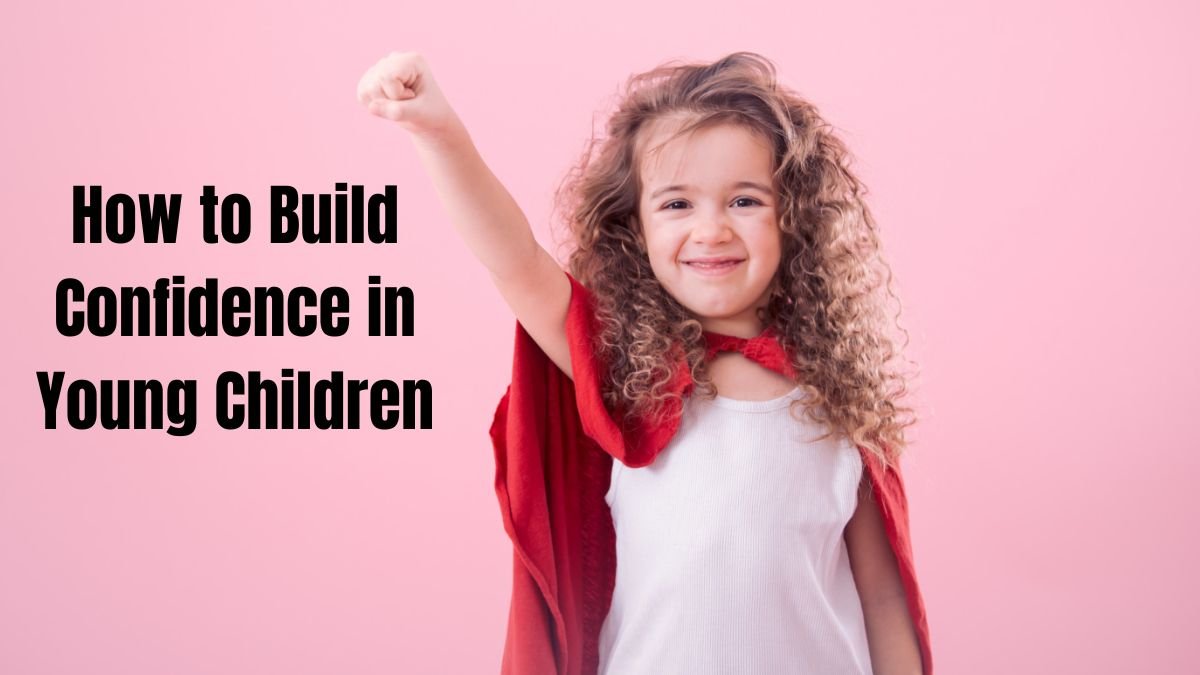
Every parent desires that their child be not only healthy and happy, but also confident and courageous. Self-confidence is a quality that helps children Young face challenges, learn new things, and have faith in their abilities. However, it doesn’t develop naturally in any child; it can be fostered with the proper role and guidance of parents, teachers, and family.
In this article, we will explore in detail how to develop self-confidence in young children, what methods are effective, and what parents should consider.
The Importance of Self-Confidence
Confidence in young children impacts their development in several ways:
- Social skills: Confident children interact easily with friends and share their ideas in groups.
- Interest in education: Children with self-confidence are less hesitant to learn and experiment with new things.
- Emotional stability: Confident children respond positively to setbacks and don’t give up easily.
- Independence: Makes them self-reliant in decision-making and problem-solving.
Create a Positive Environment
A child’s first teacher is their family. The home environment directly impacts a child’s self-confidence How:
- Appreciate a child’s achievements, even if they are small.
- Use a positive tone when criticizing.
- Give children a sense of love and security.
- Example: If a child is riding a bicycle for the first time and falls, say:
“You did a great job, next time you’ll do better.” - This kind of encouragement motivates children to learn and keep trying.
Focus on Small Goals and Achievements
- The most effective way to boost children’s self-confidence is to set small goals and help them achieve them.
- Small goals: Such as arranging their toys, creating a design, or completing a puzzle.
- Encouragement: When a child accomplishes a goal, praise them.
- Self-confidence: Make children feel proud of their efforts.
- This process teaches them that trying and succeeding builds self-confidence.
Sports and Physical Activities
- Physical activities are a fun way to build self-confidence and self-reliance in children.
- Team sports: Such as football, badminton, or team puzzle games.
- Music and dance: Give children opportunities to perform on stage.
- Exercise: Yoga, running, or simple games.
- When children succeed in sports or activities, their confidence and courage increase.
Creative Activities and Independence
- Engaging children in creative activities helps boost their self-confidence.
- Painting and coloring: Children express their imagination and perspectives.
- Making and telling stories: Children create their own stories.
- Self-decision-making: Such as choosing clothes, decorating toys, or planning a game.
- By making independent decisions, children learn to trust their abilities.
Handling Failures Positively
- A crucial aspect of building confidence in children is teaching them to learn from failures.
- Don’t let failure become a source of fear or shame.
- Ask them: “What did you learn?” and “How can you improve next time?”
- Share your own experiences of how you learned from failures.
- This approach instills courage and resilience in them.
Positive Communication and Praise
- Praise children for their efforts, not just the results.
- Instead of saying “You’re good,” say “You worked hard and did well.”
- Ask children for their opinions and listen to what they have to say.
- This strengthens their self-esteem and confidence.
Role of Parents and Teachers
- Parents: Allow children to face challenges, but also provide support.
- Teachers: Give children opportunities for group activities and presentations in the classroom.
- Positive Role Models: Children learn from parents and teachers how to cope with problems.
Social Skills and Friendships
- Playing and cooperating with friends builds confidence.
- The child learns that it’s safe to express their opinions in a group.
- Giving small responsibilities, such as leading a team, also boosts confidence.
Conclusion
Developing confidence in young children is a continuous process. It requires love, encouragement, a positive environment, independence, play, creative activities, and a culture of learning from failures If parents and teachers guide them in the right direction, the child will not only become confident but will also face challenges with courage and wisdom. Confidence is the foundation that leads to success and happiness at every stage of life.
