

Amidst inflation, rising daily expenses, and economic pressure in the US, discussions about a fourth $2,000 stimulus check are once again gaining momentum. However, as of now, the US Congress has neither officially approved nor enacted any law for a fourth $2,000 stimulus check. Despite this, many lawmakers and social organizations believe that some form of assistance is necessary to provide economic relief to low- and middle-income families. This is why the debate on this issue continues, and people remain hopeful.
What is the difference between previous stimulus checks and the current thinking?
Previous stimulus checks were issued when the country was going through a serious national emergency. During the pandemic, millions of people lost their jobs, and the government provided universal payments, i.e., direct cash assistance to almost all eligible citizens, to support the economy. But the current situation is different. Now, the government’s focus is on targeted relief instead of providing equal payments to everyone, so that government spending can be limited while helping those who need it most.
If a fourth $2,000 stimulus check is approved, who might be eligible?
If a fourth stimulus check is ever approved in 2026, the eligibility criteria might be similar to previous programs. This means that not every individual will necessarily receive this amount. Potentially, only those whose income is below a certain limit or who are already dependent on government assistance programs might be eligible. This could include U.S. citizens and legal residents, Social Security recipients (such as those receiving SSI, SSDI, and retired workers), veterans and VA beneficiaries, as well as low- and middle-income working families. Those with higher incomes may receive a partial payment or be excluded entirely.

Will everyone receive a stimulus check?
The most frequently asked question is whether everyone will receive money this time. The reality is that a “stimulus check for everyone” is considered highly unlikely given the current economic climate. The government is now focusing on the segments of the population most affected by inflation. This includes seniors living on limited incomes, families with children, individuals with disabilities, and low-wage essential workers. A large-scale universal payment like before does not seem possible this time.
What could the potential payment amount be?
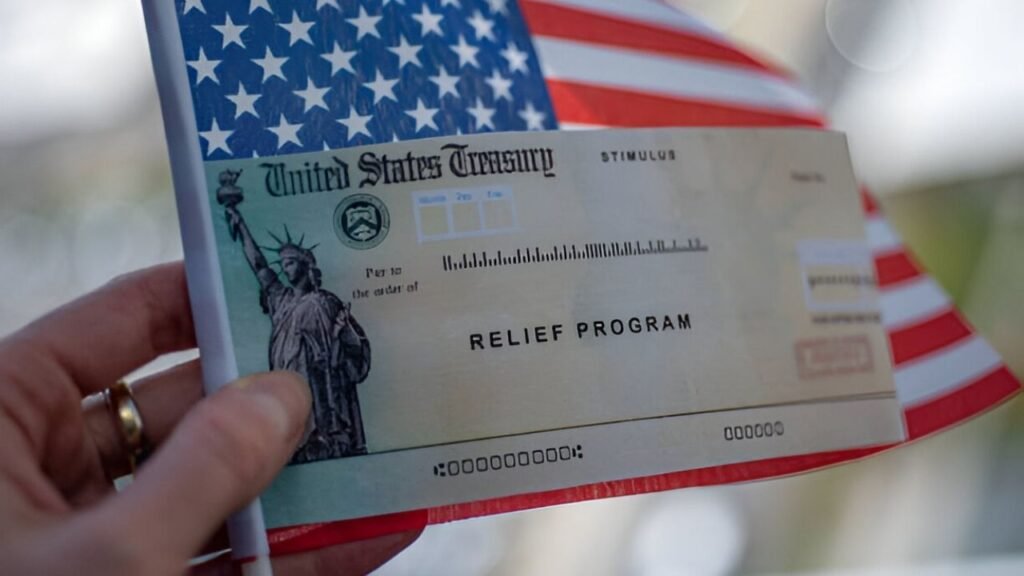
Although $2,000 is the most discussed amount, the actual amount could differ if the plan is approved. Some proposals suggest a one-time payment of $2,000, while others mention smaller amounts, such as $1,000 or $1,400. It’s also possible that the government might make smaller payments in multiple installments instead of a single lump sum. The final amount will depend entirely on the budget, economic data, and political consensus.
What are the potential payment dates in 2026?
If a fourth stimulus check is passed at some point in 2026, the payment process would likely be similar to previous rounds. Those with bank accounts linked to the IRS could receive the money via direct deposit within 1 to 3 weeks. Payments via paper checks would take longer. In some cases, the funds might also be sent via debit card. However, it’s important to note that exact dates will only be announced once the legislation is officially passed.
What about state-level relief?
While uncertainty remains regarding federal stimulus, some states have launched their own relief programs. Several states have announced tax rebates, inflation relief payments, or other financial assistance. These programs could continue until 2026 and provide some degree of financial support to residents, even without federal stimulus.
What should you do now?
Currently, the most important thing is to keep your financial information up to date. File your tax returns on time, ensure your direct deposit details are correct with the IRS, and only rely on official government announcements. Be wary of those claiming “guaranteed stimulus” via social media or unsolicited calls, as these scams are spreading rapidly.

Final Thoughts
A fourth stimulus check of $2,000 is currently a possibility and a topic of discussion, not a guaranteed promise. While people are hoping for another round of economic relief, current indications suggest that any plan, if it materializes, will likely be limited and targeted, rather than universal. Therefore, the best approach is to stay informed and maintain a strong financial plan until the government reaches a concrete decision.
FAQs
Q1. Is the $2,000 fourth stimulus check approved?
No, as of now, a fourth $2,000 stimulus check has not been officially approved by Congress.
Q2. Who could qualify if the stimulus is approved?
Low- and middle-income individuals, Social Security recipients, veterans, and eligible U.S. residents may qualify.
Q3. Will everyone receive a stimulus check?
No, future stimulus payments are likely to be targeted, not universal.
Q4. When could payments be sent if approved?
Payments could begin within a few weeks after approval, depending on the payment method.
Q5. Are any states offering their own stimulus payments?
Yes, some states have issued or proposed state-level rebates or relief payments.
